Solitaire Zen - Cards Master
FelicityGamesCard
4.847.00 Reviews
- Version
- 3.13.4
- Installs
- 10.00K
- Age Rating
- Everyone
Screenshots
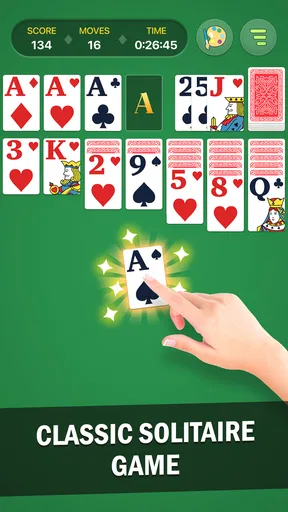
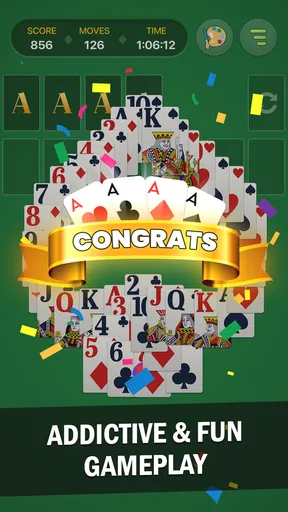
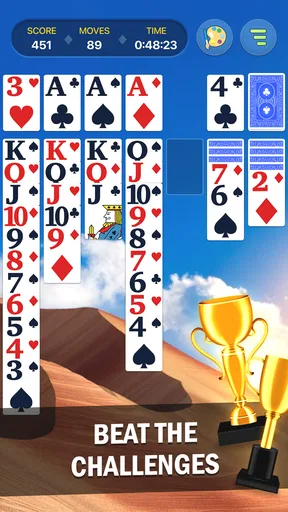
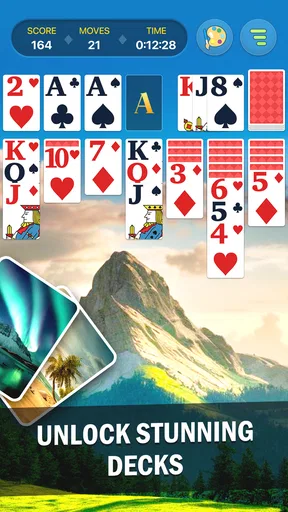
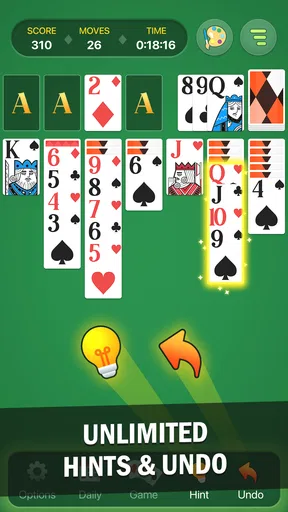
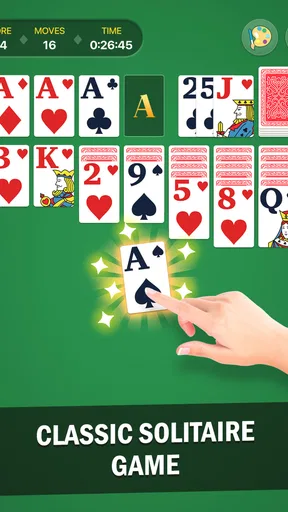
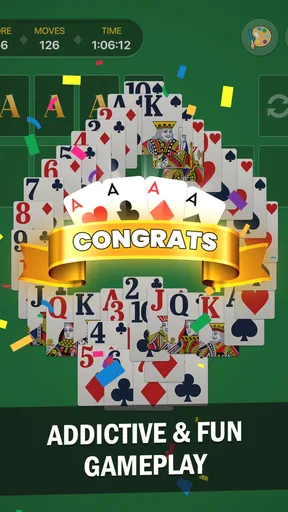
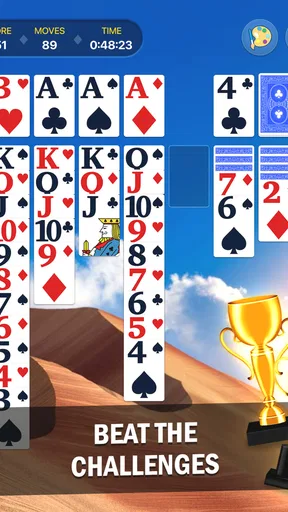
Our Review of Solitaire Zen - Cards Master
 Analysis by Appyee
When I opened Solitaire Zen - Cards Master, I expected a familiar card game with a calmer presentation, but what stood out was the way it turns a short Solitaire session into a small reset for the mind. The central appeal is not a complicated collection of modes or a competitive ladder. It is the simple rhythm of arranging cards, spotting a possible move, and starting again when a deal does not go your way. That focus makes FelicityGames’ card game easy to understand within minutes and surprisingly suitable for brief breaks.
I think the best way to judge this game is to look at that capability closely: can a traditional Solitaire format genuinely help me relax while still giving my attention something useful to do? In my experience, the answer is yes, with some important qualifications. It is free to download, aimed at Everyone, and available for devices running Android 10 or later. Its current version is 3.13.4, and the game has reached over ten thousand installs, which gives it a modest but meaningful player base.
Why the relaxing Solitaire approach matters
Many card games push me toward speed, competition, or constant rewards. This one works better when I slow down. The familiar rules give me enough structure to stay engaged, while the repeated visual task of finding playable cards keeps my thoughts from wandering. I can play for a few minutes without needing to learn a new system, remember a story, or coordinate with another person.
That makes the game’s main capability more practical than the word “zen” might suggest. It does not need to transform Solitaire into something unrecognizable. Instead, the calming value comes from reducing the mental cost of beginning a session. I know what I am supposed to do, and I can stop whenever I want. For me, that is more useful during a busy day than an elaborate relaxation app that asks me to follow a long routine.
The card format also creates a gentle balance between comfort and concentration. If I play automatically, I can miss a useful move. If I pay too much attention to every possibility, the session becomes work. The sweet spot is somewhere in between: I look ahead, make a choice, and accept that not every deal will end perfectly. That small process is where the relaxing quality becomes noticeable.
The strongest feature is the low-friction mental loop: open the game, read the layout, make a few decisions, and leave without a commitment to a long session. That is a better fit for waiting rooms, quiet evenings, or a short pause between tasks than for people looking for a deep card strategy experience.
How the familiar rules support a calmer session
Because this is a card game rather than a large role-playing or puzzle adventure, the learning curve is gentle for anyone who already knows Solitaire. New players can still understand the basic goal by interacting with the layout, but experienced players will probably feel comfortable immediately. I appreciate that familiarity because it lets the relaxing side of the game appear quickly instead of making me earn it through tutorials.
There is also a useful psychological difference between a fixed challenge and an endless stream of content. A Solitaire deal feels contained. I can see that I am working through one arrangement rather than entering an open-ended feed. That boundary helps me decide whether I have time for another round, and it makes the game easier to put down than many mobile alternatives designed to keep pulling me back.
At the same time, the familiar format limits how much novelty I should expect. If I have already played several standard Solitaire apps, the basic card placement will not feel revolutionary. The value here depends less on discovering new mechanics and more on whether the presentation and pacing make ordinary play feel pleasant enough to revisit.
What playing it feels like in practice
My preferred way to use it is in short, intentional sessions. I open a deal when I want something more active than simply staring at a video, but less demanding than a full game. I scan the available cards, choose the move that preserves the most options, and avoid rushing just because a card is immediately playable. That habit makes the game feel more thoughtful and gives the relaxing idea a practical shape.
A useful tip is to treat each move as a small decision rather than trying to clear the layout as quickly as possible. When two cards are available, I first consider which choice reveals more of the hidden layout or keeps more sequences flexible. This does not guarantee a win, but it changes the session from random tapping into light planning. The result is a better balance between concentration and calm.
Another tip is to use a natural stopping point. I often finish a deal and pause before starting another one, especially when I originally opened the game to clear my head. Without that pause, a relaxing break can quietly become a longer gaming session. The game’s simple structure makes it easy to continue, so the responsibility for setting a limit rests with me.
I also find it helpful not to judge every unsuccessful deal as a personal mistake. Solitaire includes layouts that require patience, and sometimes the available choices narrow quickly. If I replay with the sole aim of correcting the previous result, the experience becomes frustrating. If I treat the deal as a short mental exercise, the same outcome feels less important.
A realistic everyday use case
Imagine finishing work with several small tasks still competing for attention. I might have ten quiet minutes before dinner, but I do not want to begin a large game that will demand an hour. This is where the app makes sense. I can play one round, focus on the card layout instead of my unfinished to-do list, and close it when the round ends. The activity gives my mind a change of direction without requiring social interaction or a complicated setup.
The same approach works during a commute when I have a stable moment to play, or while waiting for an appointment. I would not recommend using it when I need to stay alert to announcements or surroundings, but for a settled break it is more engaging than endlessly scrolling. The game gives me a defined task, and that boundary is the practical benefit I notice most.
For someone trying to build a personal wind-down routine, I would use it before a cutoff rather than in bed with no limit. A single calm round can be a useful transition after a demanding day. Several rounds in succession may have the opposite effect if the player becomes focused on clearing every deal. The capability is therefore real, but it depends on how deliberately the game is used.
The tradeoff between simplicity and depth
The same simplicity that makes Solitaire Zen approachable can make it feel limited to experienced card-game fans. If I want deck-building, unusual rules, online competition, or a strong progression system, this is probably not where I would look first. The game’s appeal comes from repetition refined into a comfortable routine, not from constant surprises.
That also affects replay value. Solitaire can remain enjoyable because every layout asks me to evaluate a new arrangement, but the underlying activity stays recognizable. Players who need frequent unlocks, changing objectives, or a narrative reason to continue may lose interest sooner. I would see this as a companion game for small breaks rather than the only game on my phone.
There is another tradeoff around optional spending. The game is free, which makes it easy to try, but it includes in-app purchases ranging from forty-nine cents to ninety-nine dollars and ninety-nine cents per item. I would approach those purchases carefully. A relaxed card game does not need to become an impulse-buying habit, so I would decide in advance whether any optional item genuinely improves my experience and keep the purchase decision separate from a frustrating deal.
The free entry point is still a meaningful advantage. I can test whether the pace suits me without paying first, and the Everyone rating makes it a broadly accessible choice for households looking for a simple card game. Parents should still apply their own judgment around spending on a shared device, especially because optional purchases can be available within free games.
How it compares with the usual alternatives
Compared with a traditional physical deck, the app is more convenient because the layout is always ready and there is no need to shuffle or find a table. A physical deck offers a more tactile experience and avoids screen fatigue, so I would choose cards on a table when I want to step away from my phone completely. The digital version wins when I want a quick, private session with no preparation.
Compared with competitive card games, this title is less socially demanding. There is no need to wait for an opponent or worry about another player’s pace. That makes it better for decompression, but worse for anyone who enjoys bluffing, conversation, or the excitement of a live match. The choice depends on whether the goal is recovery or competition.
Compared with meditation apps, the game offers a more active form of relaxation. I am not simply following breathing instructions; I am making small visual decisions. That can work well for people who find silent meditation difficult. On the other hand, anyone looking for guided breathing, sleep audio, or structured mindfulness exercises should choose a dedicated wellness app instead. This game can settle my attention, but it is still a card game.
Compared with more elaborate Solitaire collections, it is likely to appeal most to players who prefer a focused experience. A larger collection may provide more variety, but it can also introduce menus, missions, currencies, and notifications that distract from a quiet round. I would choose this one when the familiar card loop matters more to me than having every possible variation in one package.
Small habits that make the game work better
One of the most useful habits is to play with a purpose. Before opening a round, I decide whether I want a quick distraction, a concentration exercise, or a transition between activities. That choice changes how I respond to the result. If I want relaxation, I avoid restarting immediately after a poor move. If I want a challenge, I take more time to analyze the layout.
I also recommend keeping the session visually and mentally uncluttered. Since the game’s strength is its contained card task, playing while switching between several other apps weakens the effect. I get more from it when I give the layout my attention for a few minutes instead of treating it as background tapping.
A further tradeoff is the temptation to equate a win with a successful break. That is not always helpful. The better measure is whether I feel more settled or refreshed afterward. Some deals are useful because they occupy my mind briefly, even if they do not end in a satisfying clear. Thinking this way prevents the relaxation angle from being undermined by perfectionism.
Who will get the most from it
I would recommend it to people who already enjoy classic Solitaire and want a softer, less demanding way to play on a phone. It is especially suitable for short breaks, quiet evenings, and moments when I want light concentration without a story, a timer, or another player. The free price makes trying it straightforward, and the broad age rating keeps the basic concept accessible.
It can also suit someone who struggles to relax with completely passive activities. Sorting cards gives the hands and eyes something to do while the mind settles. That is a specific strength, not a promise that the game replaces sleep, exercise, or professional support for stress. I see it as a modest tool for changing mental gears.
I would tell highly competitive players to look elsewhere if their main goal is ranked play or deep strategic variety. I would also skip it if I am trying to reduce screen time altogether, because a phone-based relaxation activity still keeps me looking at a display. And if I dislike repeating a familiar card format, the calm presentation will not compensate for the limited core concept.
My final view after spending time with it
FelicityGames has chosen a sensible direction with this card game: take a familiar Solitaire routine and make it suitable for a quieter kind of mobile break. The result is not a replacement for a full mindfulness tool or a feature-heavy card collection, but it does not need to be. Its best quality is that I can understand the activity immediately and use it in a controlled, low-pressure way.
The four-point-eight average from more than six hundred ratings suggests that many players respond well to that approach, while the game’s growing install base shows that it has found an audience beyond a handful of early users. I would not treat those figures as proof that everyone will enjoy it, but they fit my own impression: this is a focused, approachable Solitaire option rather than an ambitious all-purpose game.
My recommendation is simple. Try it when you want a short card session that occupies your attention without demanding too much from you. Keep purchases deliberate, set a stopping point if you are using it to unwind, and do not judge the experience only by whether every deal ends in a win. Used that way, Solitaire Zen - Cards Master earns its place as a gentle everyday distraction, especially for players who want familiar cards with a calmer purpose.
Verdict
Strengths of Solitaire Zen - Cards Master
- Relaxing gameplay suited to short or extended sessions
- Simple controls make it accessible for beginners
- Offline play is useful when traveling or without internet
- Multiple card layouts offer variety beyond classic Solitaire
- Calm presentation can help create a low-pressure gaming experience
Limitations of Solitaire Zen - Cards Master
- Frequent ads may interrupt play, especially between rounds
- Some advanced features may require in-app purchases
- Limited challenge for players seeking competitive card gameplay
- Progression can feel repetitive after extended sessions
- Battery use may increase during longer play sessions
Other Releases by FelicityGames
View All
Klondike Solitaire Card Game
Card4.9
Similar Picks in This Category
View All
Solitaire - Classic Card Games
MobilityWare4.6

UNO!™
Mattel163 Limited4.3

Spider Solitaire: Card Games
MobilityWare4.6

Solitaire.com - Classic Cards
Tripledot Studios Limited4.7

Plants vs. Zombies™ Heroes
ELECTRONIC ARTS4.1

Hearthstone
Blizzard Entertainment, Inc.4.1
Frequently Asked Questions
What is Solitaire Zen - Cards Master?
Solitaire Zen - Cards Master is a relaxing card game centered on classic solitaire-style gameplay. It is designed for short sessions as well as longer play, combining familiar card rules with a calm presentation. Players can typically enjoy arranging cards, completing deals, and progressing through challenges while using the game as a casual way to unwind on an Android or iOS device.
How do you play Solitaire Zen - Cards Master?
The game follows the basic principles of solitaire: organize cards in descending order while alternating colors, reveal hidden cards, and move cards to the foundation piles in ascending suit order. If you already know Klondike solitaire, the controls should feel familiar. New players can learn through the in-game guidance, while experienced players can focus on improving their moves and completion rate.
Can Solitaire Zen - Cards Master be played offline?
Solitaire Zen - Cards Master may be suitable for playing without a constant internet connection, which is useful when traveling or when you want a quiet game away from notifications. However, features such as advertisements, cloud synchronization, daily content, updates, or in-app purchases may require connectivity. It is best to open the game online first and check which features remain available in offline mode.
Is Solitaire Zen - Cards Master free to download and play?
The game is generally offered as a free download, allowing users to try its core solitaire experience without paying upfront. Like many free mobile card games, it may include advertising or optional in-app purchases for removing ads, unlocking extras, or supporting additional features. Before downloading, review the store listing and purchase settings, especially if the device is shared with children.
Is Solitaire Zen - Cards Master suitable for beginners?
Yes. Solitaire Zen - Cards Master is approachable for beginners because the main objective is easy to understand and each round can be played at a comfortable pace. The familiar card layout makes it less intimidating than many strategy games, while hints or undo options can help new players learn. More experienced solitaire fans can still enjoy the challenge of planning efficient moves and completing deals.
Play our best games!


